Accuracy counts: Measuring sub-bandage pressure variability and reproducibility
Received:
Accepted:
Published:
Authors: Windy Cole, Nina Kovalyn, Frank Aviles, Jacob Wielgomas, Samuel Sapp, Amy Sahlani
Conflict of interest:
Dr. Windy Cole serves as a paid consultant for Sun Scientific. Sun Scientific provided the Adjustable Wound Compression System (AWCS) and the sub-bandage pressure measurement device used in this study. No financial support or research funding was provided for the conduct of this study.
Venous leg ulcers (VLUs) represent a significant and persistent global health challenge, placing a substantial burden on patients and creating considerable pressure across healthcare services. VLUs are consistently associated with increased healthcare resource utilisation including frequent clinic visits and diagnostic testing, alongside higher rates of clinical interventions and a substantial economic burden borne by patients and society (Davies, 2019).
It is estimated that VLUs affect approximately 1%–2% of the general population, with prevalence rising to nearly 4% among individuals over 65 years of age (Probst et al, 2023). Chronic venous insufficiency (CVI) with associated lymphatic dysfunction remains the predominant aetiology, accounting for nearly 80% of all lower-extremity ulcer presentations (Körber et al, 2017). As the global population continues to age, the prevalence of CVI is expected to rise substantially.
Compression therapy has long been established as a mainstay of managing venous insufficiency and related conditions. A broad range of compression bandages and garments are available to help alleviate symptoms, and enhance quality of life. Level I evidence further underscores the value of early intervention for VLUs, demonstrating improved healing rates, reduced recurrence and clear cost-effectiveness (Gohel et al, 2007). While lower-leg compression remains a cornerstone intervention for both the prevention and treatment of venous ulcers (Gohel et al, 2007; Weller et al, 2010);, current evidence is insufficient to determine which specific compression system offers the greatest effectiveness (Weller et al, 2010). Furthermore, there is evidence that physician deployment and patient concordance is suboptimal, and that many patients with CVI are not being appropriately treated (Lane et al, 2013). Even when appropriate compression therapy is prescribed, clinicians must also consider the patient’s physical ability to don and doff the selected device, and to apply it at the correct therapeutic compression level.
To reduce the persistent treatment gap and mitigate unnecessary disease progression, effective implementation of compression protocols requires an understanding of the patients’ ability to adhere to evidence-based application guidelines and maintain consistent sub-bandage pressure. Tolerance of therapeutic compression varies widely, and correct application is highly dependent on operator skill and confidence (Bale and Harding, 2003). Additionally, prior research indicates that clinicians may be uncertain about selecting appropriate compression systems and may lack confidence in applying them correctly, contributing to inconsistent use and suboptimal patient outcomes (Hartmann, 2026). Variability in technique further risks compromising both therapeutic efficacy and patient safety (Hartmann, 2026).
The aim of this exploratory pilot study was to examine the reproducibility and user comfort of two different multi-layer bandage compression systems Two Press 2 Lite (TP2L) (HARTMANN USA, Inc. Rock Hill, SC), and Two Press 2 (TP2) (HARTMANN USA, Inc. Rock Hill, SC) in comparison to an inelastic compression garment (AWCS) (Aero-Wrap® Gradient Compression System, Sun Scientific, Dobbs Ferry, New York USA) by comparing sub-bandage pressure measurements across the devices during rest and after standing within a structured, hands-on educational environment. This pilot study met the criteria for exemption from ongoing IRB review.
Methods
A workshop was conducted with first- and second-year podiatric medical students. This pilot exploratory study aimed to evaluate the reproducibility of sub-bandage pressure measurements and participant-reported comfort across different compression systems. Findings were intended to provide preliminary data to inform the design of future studies evaluating the performance and user experience of compression therapy systems.
By measuring differences in sub-bandage pressure in healthy volunteers, we can estimate the effect size associated with different compression systems, informing the design of future trials that compare the clinical outcomes of currently accepted treatments for venous ulcers. Within the framework of this workshop, practical education on compression therapy was first provided, followed by a breakout session where students were randomly assigned compression with one of three different compression therapies (TP2L, TP2, and AWCS) to peers under faculty supervision within a pressure range of 30–40mmHg. The elastic bandage systems were applied using the figure-of-eight technique per product instructions for use (IFU).
Interface pressure was measured on the medial calf of 20 healthy participants immediately after device application, using calibrated pressure-measurement sensors in the seated position according to manufacturer’s recommendations [Figure 1]. The validated compression measurement system displays digital output of the pressure transducer. This value was recorded on the case report forms provided. Measurements were taken on each limb following the application of each compression system, with all testing conducted in an academic setting. Pressures were recorded within minutes of applying the sensor and bandage.
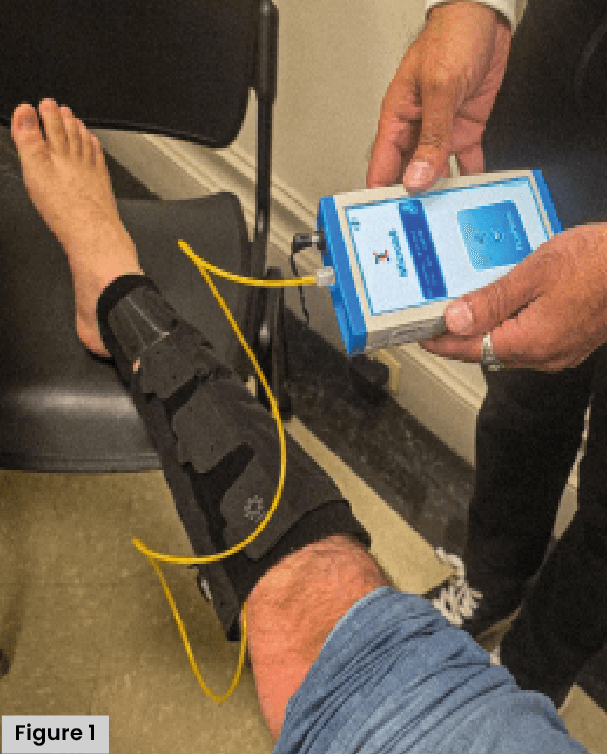
Figure 1. Sub-bandage pressure measurements.
Participants then rated the comfort of each compression device using a ten-point Likert scale, where higher scores indicate greater comfort [Figure 2].
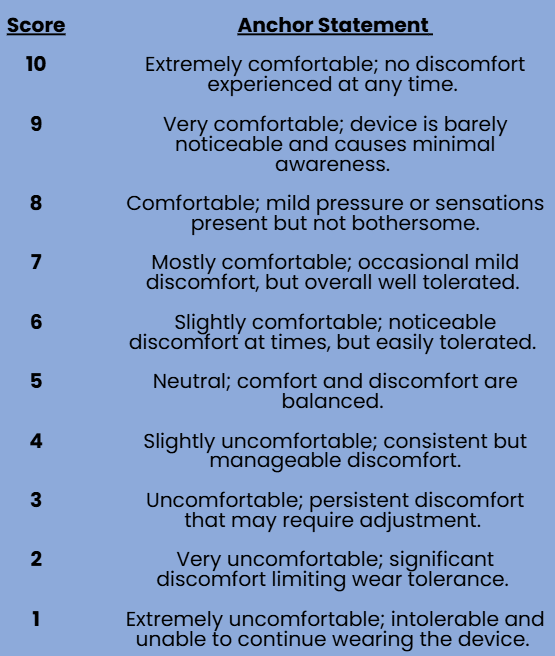
Figure 2. The Likert scale used in this study.
Results
Descriptive statistics were calculated for each compression modality, including mean interface pressure, median, sample standard deviation (SSD) and range. Figure 3 illustrates the reproducibility of the target compression while Figure 4 details the comfort ratings of the various devices.
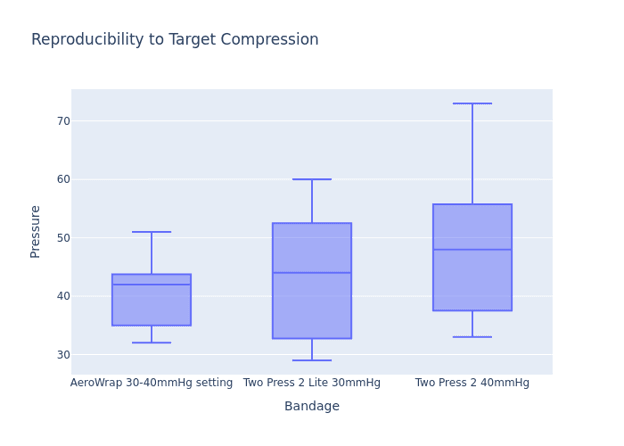
Figure 3. Reproducibility to target compression.
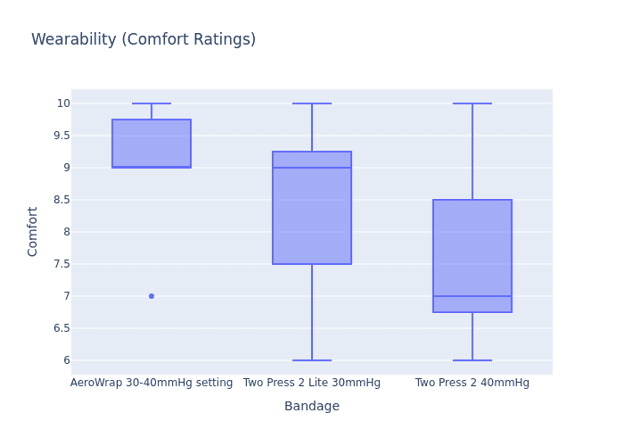
Figure 4. Comfort ratings.
Across all devices, the AWCS demonstrated the most consistent pressure delivery, producing a mean interface pressure of 40.9mmHg (SSD 6.6), a median interface pressure of 42mmHg, with a 19mmHg range, indicating comparatively low variability in interface pressure across applications. The AWCS also received the highest comfort scores among participants, with both a mean and median rating of 9.0 (SSD 1.0) on a ten-point anchored Likert scale.
The TP2L displayed greater variability than the AWCS, with a mean pressure of 43.4mmHg (SSD 12.4), a median interface pressure of 44mmHg, and a 31mmHg range. Comfort ratings for the TP2L remained high, averaging 8.4 (SSD 1.5) with a median rating of 9.
The TP2 generated the highest mean pressure and the greatest inconsistency in interface pressure. Measured pressures averaged 48.6mmHg (SSD 15.3), a median pressure of 48mmHg, with a 40mmHg range, representing the widest spread in pressure values among all systems tested. Correspondingly, TP2 received the lowest comfort rating of the three modalities, with a mean score of 7.6 (SSD 1.5) and a median score of 7.
Overall, these findings indicate that the AWCS provided the most reproducible interface pressures and the highest user comfort, whereas the TP2 system demonstrated the greatest variability and lower comfort ratings.
Discussion
This study evaluated the reproducibility and comfort of three commonly used compression modalities by comparing interface pressure measurements and participant-reported comfort scores within a controlled educational environment.
TP2L and TP2 (HARTMANN USA, Inc., Rock Hill, SC) are two-layer compression bandage systems designed to provide sustained therapeutic compression for the management of VLUs and lower extremity oedema (Hartmann, 2026). TP2L delivers lower resting pressure and is intended for patients who may not tolerate higher levels of compression, whereas TP2 provides standard high-compression therapy through a cohesive two-layer bandage construction (Hartmann, 2026). In contrast, the AWCS (Sun Scientific, Dobbs Ferry, NY, USA) is an adjustable, inelastic compression garment that uses overlapping straps with visual pressure indicators to facilitate consistent application and graduated compression (Venous Solutions, 2023). These devices were selected because they represent commonly used yet mechanically distinct approaches to compression therapy, permitting evaluation of differences in interface pressure consistency and comfort within a controlled educational environment.
Across modalities, the AWCS provided the most consistent interface pressures, characterised by the lowest standard deviation and narrowest pressure range. This reproducibility suggests that the AWCS may offer greater reliability in achieving therapeutic targets, particularly in settings where variability in clinician skill, experience or technique is a known barrier to optimal compression delivery. The AWCS also received the highest comfort ratings, suggesting that participants not only tolerated the system well but may be more likely to adhere to therapy when using adjustable wraps. These findings are consistent with the previously reported usability study of the AWCS device (Cole et al, 2025). Given that tolerance and adherence play central roles in achieving successful outcomes in venous ulcer management, the combined consistency and comfort advantages of the AWCS may have important clinical implications.
The dial mechanism of the AWCS compression device, integrated into the hand pump, facilitates consistent pressure delivery by allowing users to precisely select a prescribed compression range before inflation. The dial is rotated until the desired pressure zone is centred at the selection indicator, at which point it audibly clicks into place, ensuring accurate and repeatable settings across applications (Venous Solutions, 2023) [Figure 5]. Once the range is selected, the user inflates the wrap by squeezing the pump bulb, while built-in pressure-safety valves automatically release excess air to prevent over-inflation and maintain the targeted therapeutic pressure. This combination of preset dial selection, tactile feedback and automated pressure regulation enables standardised, reproducible compression levels despite variations in user technique, contributing to safer and more effective limb compression therapy.
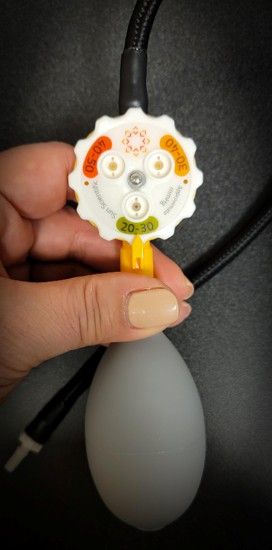
Figure 5. AWCS compression gauge selection indicator.
In contrast, the TP2L demonstrated intermediate performance, with greater pressure variability than the AWCS but still within a manageable range. Comfort scores for the TP2L remained high, indicating that while pressure delivery was less consistent, participants generally found the system acceptable. This suggests that TP2L systems may remain viable options in practice, particularly when applied by clinicians familiar with their application technique.
The TP2 produced the highest mean pressures and the broadest pressure range, reflecting substantial variability between applications. Such inconsistency may increase the risk of delivering pressures outside the intended therapeutic window, potentially compromising effectiveness or increasing the likelihood of discomfort or adverse effects. This is supported by the lower comfort ratings observed for the TP2, which may limit patient tolerance and willingness to adhere to therapy. Together, these findings underscore the importance of adequate training when using more technically demanding compression systems, and highlight the potential need for systems that simplify the application process.
The effectiveness of compression therapy is determined by the interplay of several critical factors, including the clinician’s application technique, the pressure generated by the compression system, and the number, configuration, and material properties of its components (Lee et al, 2006). Precise and consistent application is essential, as variations in technique such as inconsistent tension, inappropriate overlap or inadequate accommodation of limb contours can lead to sub-therapeutic compression, patient discomfort or localised tissue injury.
The therapeutic benefit further depends on the magnitude and stability of the pressure exerted by the device, with both insufficient and excessive pressures posing risks to clinical efficacy and patient safety (Ning et al, 2021). Differences in resting pressures noted among these elastic, inelastic and multilayer systems highlight the importance of selecting a device whose pressure profile aligns with the patient’s physiological and functional needs. Additionally, the structural characteristics of the compression system, including the number of layers applied, the wrapping configuration and the mechanical behaviour of the materials used likely influenced stiffness, pressure distribution and the system’s ability to maintain therapeutic gradients during rest. Taken together, these findings highlight that optimal compression therapy hinges not only on device selection, but also on the clinician’s proficiency and the biomechanical performance of the applied materials.
Overall, the results of this study reinforce the relationship between application technique, pressure consistency and user comfort. Devices like the AWCS that reduce operator dependence either through adjustable mechanisms or design features that simplify proper application may improve both the reliability of compression therapy and patient experience. These findings also suggest that hands-on education, such as the controlled environment used in this study, may be beneficial in improving clinician confidence and performance across compression modalities.
It should be noted that this study was conducted in an educational setting with first- and second-year podiatric medical students who served as healthy subjects and had limited experience applying compression systems. As a result, the consistency of application and resulting sub-bandage pressures may differ from those achieved by experienced wound care clinicians, potentially limiting the generalisability of these findings to clinical practice.
Future research incorporating clinical populations, longer-term wear assessments and real-world settings would complement these findings, and help determine whether the observed differences in pressure consistency and comfort translate into improved clinical outcomes. Nonetheless, the present study provides important preliminary insights into the practical performance characteristics of commonly used compression systems and highlights the need for tailored compression selection based on both therapeutic goals and patient tolerance.
Limitations
This study has several limitations. First, the sample consisted of healthy participants rather than individuals with VLUs or chronic venous disease; therefore, the tolerability and interface pressures observed may not reflect responses in patients with oedema, pain or skin changes. Second, interface pressure and comfort were assessed only immediately after application, without evaluating pressure decay, positional changes, ambulation, or longer-term comfort and adherence. Measurements were also limited to a single medial-calf site in the seated position, restricting generalisability to other anatomical locations or limb positions.
The study was conducted in a controlled educational environment, which may not replicate real-world clinical workflows or patient-specific challenges. Additionally, participants and operators were aware of the compression modality being applied, introducing potential expectation or preference bias. The comparative analysis focussed solely on pressure reproducibility and comfort, and did not assess clinical outcomes such as healing, recurrence or adverse events; thus, the clinical relevance of the observed differences remains inferential.
Taken together, these limitations suggest that although the AWCS demonstrated superior consistency and comfort under controlled, short-term conditions, further research in clinical populations, across multiple positions and time points, and incorporating objective comfort measures and clinically meaningful outcomes is needed to confirm generalisability and comparative effectiveness. Additionally, no clinical outcomes or formal reproducibility assessments were evaluated.
Conclusion
This study demonstrated meaningful differences in pressure reproducibility and user comfort across three commonly used compression modalities. The AWCS delivered the most consistent interface pressures and achieved the highest comfort ratings, suggesting it may offer advantages in settings where reliability and patient tolerance are critical. In contrast, the TP2 system exhibited substantial variability and lower comfort, highlighting the challenges associated with more technique-dependent applications.
Although these findings were generated under controlled, short-term conditions, they highlight the importance of device design, application consistency, and user experience in optimising compression therapy. Further research in clinical populations, incorporating longer-term wear assessments, diverse limb positions and clinically meaningful outcomes, is necessary to confirm these results and guide evidence-based compression selection in practice.
